Early Life May Have Breathed Oxygen Much Earlier Than Believed
New evidence suggests that some early life forms evolved the ability to utilise oxygen hundreds of millions of years before the Great Oxidation Event.
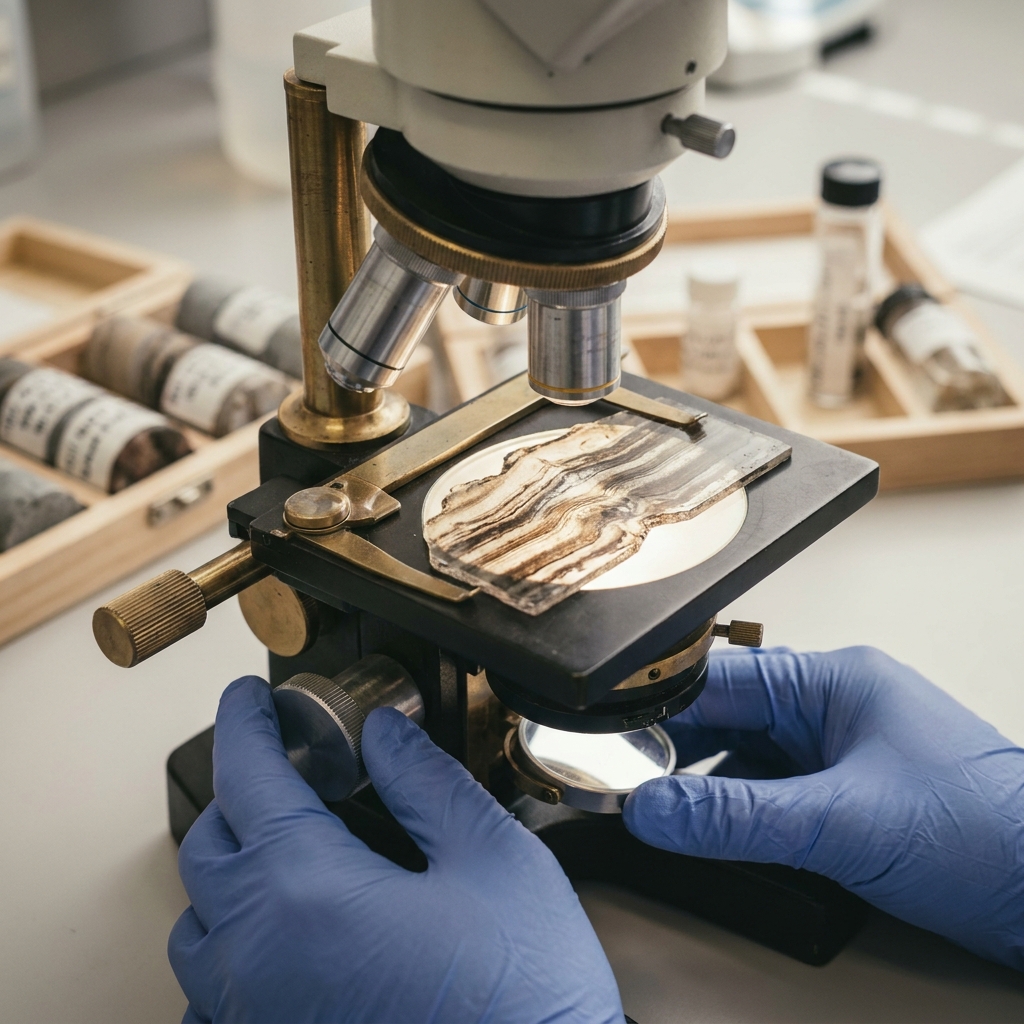
The Great Oxidation Event, a turning point approximately 2.3 billion years ago, was previously considered the dawn of oxygen-breathing life on Earth. However, recent findings challenge this timeline.
MIT geobiologists and their colleagues have uncovered evidence indicating that certain early life forms developed the capacity to use oxygen far earlier than previously thought – hundreds of millions of years before the Great Oxidation Event.
This discovery potentially reshapes our understanding of the evolutionary trajectory of life on Earth, suggesting that the utilisation of oxygen may have emerged in earlier forms of life than previously recognised.
- ·The Great Oxidation Event occurred around 2.3 billion years ago.
- ·Some early life forms may have evolved to use oxygen much earlier.
- ·The new evidence challenges the established timeline of oxygen-breathing life.
- ·The research was conducted by MIT geobiologists and colleagues.
Al Coxen covers AI hardware, inference infrastructure, and the companies building the compute layer powering modern AI for the LiberaGPT team. With a decade reporting on semiconductors and cloud, he focuses on the physical reality behind the intelligence revolution.