North Korean Hackers Use AI to Steal Millions from Companies
A North Korean hacking group has reportedly used AI tools to steal as much as $12 million in just three months, raising concerns about AI's role in cybercrime.
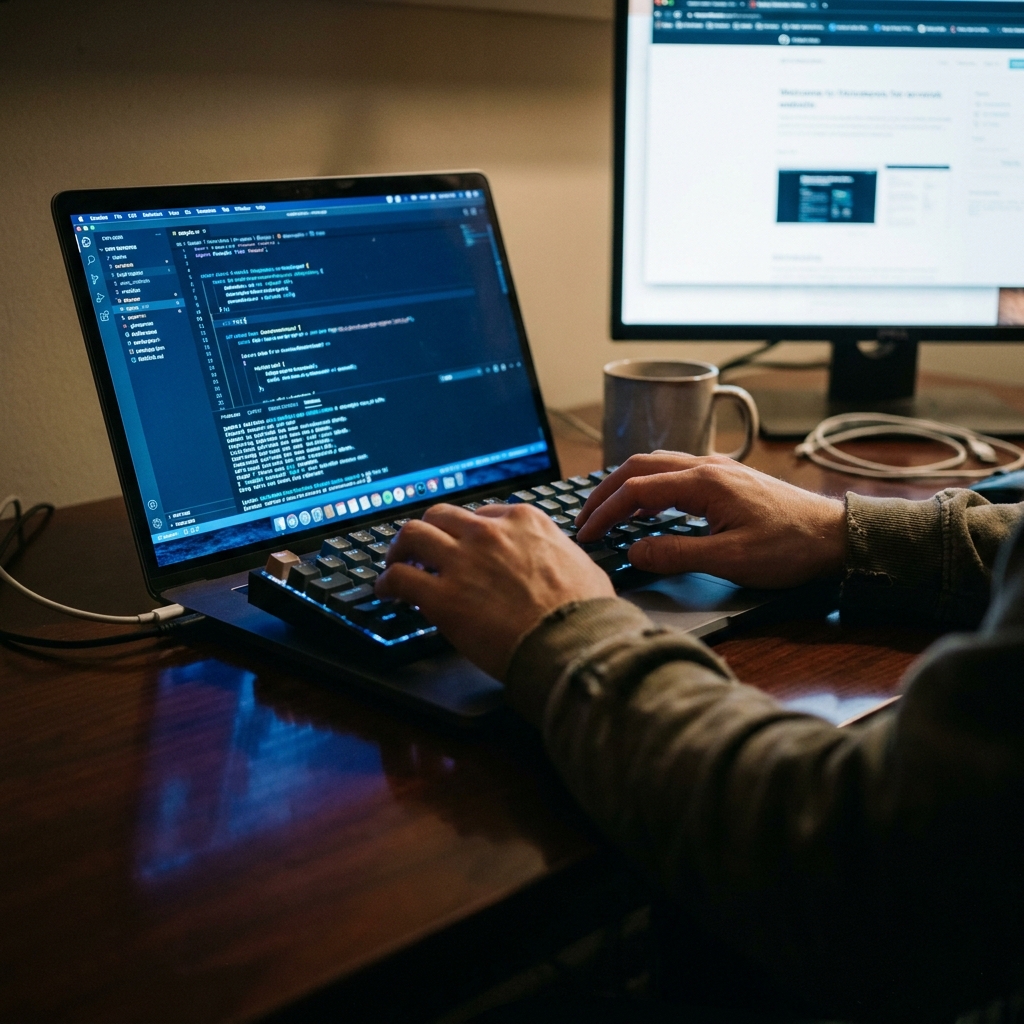
A group of North Korean hackers has successfully utilised artificial intelligence tools to steal as much as $12 million over a three month period. The operation demonstrates how readily available AI is enabling even mediocre actors to execute more sophisticated cyberattacks. The group employed AI for a range of tasks, from developing malware to creating fraudulent company websites, showcasing a comprehensive integration of the technology into their criminal workflow.
This development signals a significant shift in the cybersecurity landscape. AI tools are lowering the barrier to entry for state sponsored groups, allowing them to conduct complex operations that might previously have required more advanced technical skill. The hackers' ability to use AI for tasks like 'vibe coding' their malware suggests a new level of operational efficiency and adaptability in cybercrime.
By leveraging AI to build convincing fake websites and other digital assets, the group was able to execute its schemes with greater speed and scale. The successful theft of millions of dollars highlights the immediate financial and security risks posed by the weaponisation of commercial AI. The incident serves as a stark reminder of the dual use nature of these powerful technologies and the challenges regulators and businesses face in mitigating their misuse.
- ·A North Korean hacking group used AI to steal up to $12 million in three months.
- ·The hackers employed AI for tasks including malware development and creating fake websites.
- ·This case highlights how AI can empower less skilled actors in cyberspace.
- ·The incident underscores the dual use challenge of commercial AI technologies.
Marissa Cross covers the policy, business, and competitive forces shaping the AI industry for the LiberaGPT team. A former technology reporter with a background in legal and regulatory affairs, she focuses on what the headlines miss.